
The Supreme Court recently issued Regulation No. 2 of 2016 on Administrative Court Procedures for Location Disputes Involving Public-Interest Construction Projects(“2016 Regulation”).The 2016 Regulation sets out procedures to be followed by parties who are intending to challenge location designations made by governors or regents/mayors for the implementation of public-construction projects. With this purpose in mind, the 2016 Regulation establishes applicable procedures for the submission of lawsuits and for the hearing of such disputes at the State Administrative Court (“Court”).The 2016 Regulation is of relevance to the general public, governors and regents/mayors, as well as the State Administrative Court and its judges.Location-Designation DisputesAccording to Law No. 2 of 2012 on Land Procurement in the Public Interest (“Law No. 2/2012”), governors and regents/mayors are authorized to determine land locations as regards the implementation of construction projects which are deemed to be in the public interest. Parties who own or who have control over the land in question may submit a lawsuit to the Court challenging the land designation made by governors and regent/mayors (together referred to as the “Defendant”). In order to bring a lawsuit, interested parties (together referred to as the “Plaintiff”) must satisfy one of the following criteria, namely: [1]
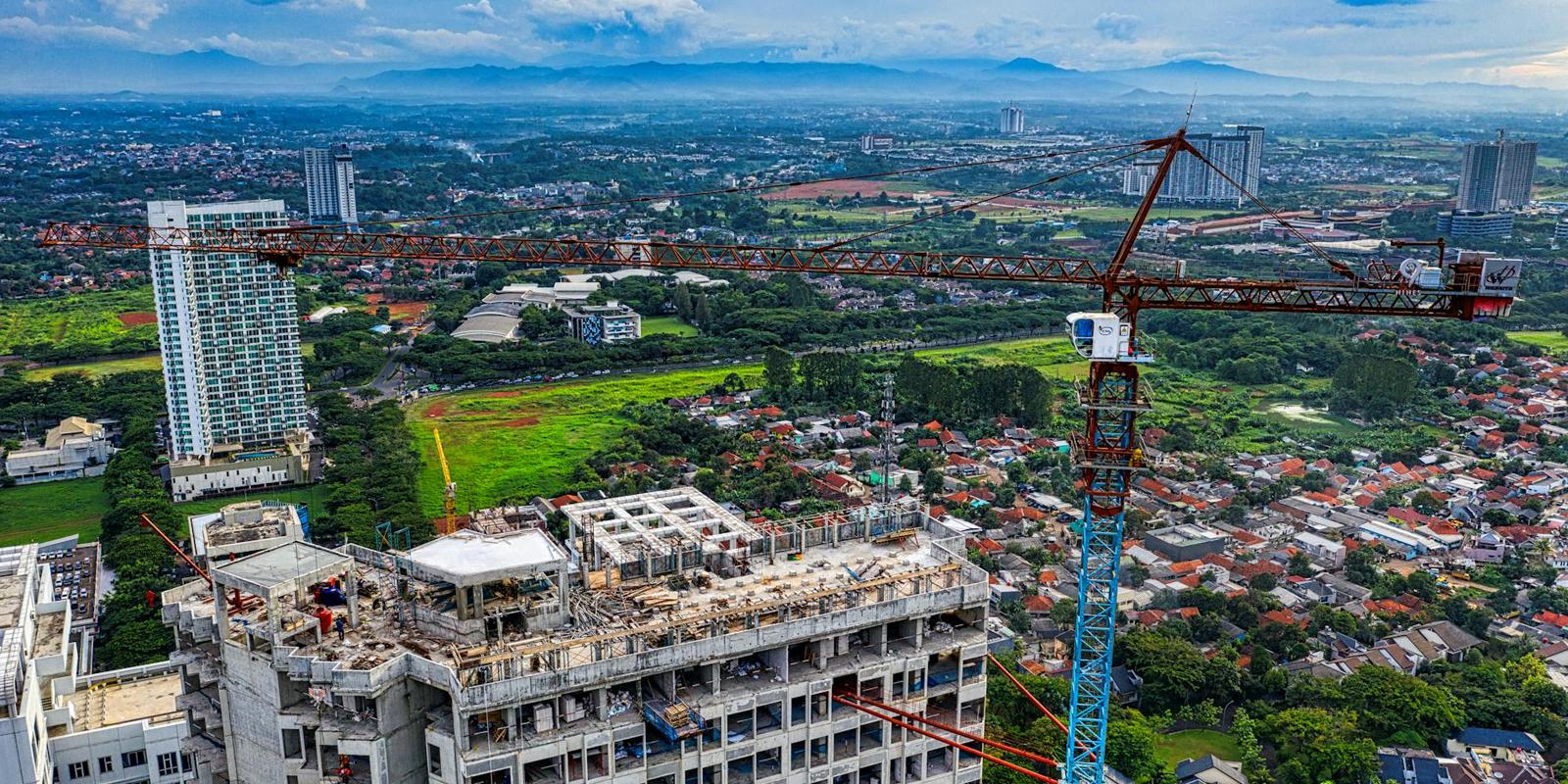
Administrative Court Procedures for Location Disputes Involving Public-Interest Construction Projects
Unlock the Full Article
Access the full legal analysis, insights, and linked references with a NOMOS subscription.
In-depth legal interpretation
Related regulations across jurisdictions
Case law references & citations
Downloadable formats (PDF/citations)
Choose Your Plan
Smart. Flexible. Just Right for You.
- Monthly / Yearly options
- Indonesia jurisdiction (More soon)
- For solo users or growing teams
- Enjoy a 7-day free trial on all plans
Already subscribed?
Log in
Need more users or custom pricing?
Latest Analysis